The thing no one tells you about grief and desire
Grief doesn't just make you sad. It makes your body go quiet. Desire, arousal, the urge to be touched or to touch yourself.all of it can disappear for months, sometimes years. You're not broken. You're not damaged. Your nervous system is doing exactly what it's supposed to do: shutting down non-essential functions while you survive.
Then one day, without warning, something shifts. A moment of laughter. A song. A warm bed on a quiet morning. And you feel it. Not grief. Not numbness. The faint hum of wanting something for yourself again.
This is the part nobody prepares you for. Not the absence of desire, but its return. Not the grief itself, but the guilt that comes when you start to feel pleasure while the person you lost is gone. This guide is for that in-between space.
Why grief silences pleasure in the first place
It's neurological, not psychological. When you're in acute loss, your parasympathetic nervous system (the part that handles rest, digestion, and yes, arousal) takes a back seat to your sympathetic system (fight-or-flight). Your body is in survival mode. Everything non-essential gets deprioritized. That includes sexual response.
Desire also requires a baseline level of mental availability. Your brain has to be present enough to notice sensation, to imagine, to connect. Grief floods the prefrontal cortex with cortisol and adrenaline. There's no bandwidth for pleasure.
As time passes and the acute shock softens, your nervous system gradually remembers how to regulate itself. You sleep better. You eat without thinking about it. Your thoughts don't automatically return to the loss every four minutes. Then, at some point, your body remembers pleasure too.
The guilt that comes with returning desire
Here's what I hear most often: "Feeling pleasure feels like betrayal." Like by wanting something good for yourself, you're saying the grief is over. Or that the person who died is less important. Or that you're moving on too fast.
None of that is true. Pleasure is not a statement about the person who died. It's not a measurement of how much they meant to you. Your capacity for joy doesn't diminish your loss. Both exist. At the same time.
If you had a partner, there's an additional layer: rebuilding sexual connection with them while you're both grieving looks different than it did before. That conversation is separate from this one. Right now, we're talking about reconnecting with your own pleasure, alone, at your own pace.
Starting small: why solo exploration matters first
When desire returns, the instinct is often to jump back into partnered sex. That makes sense. But I recommend starting alone. Here's why.
When you pleasure yourself, there's no performance. No one else's timing, expectations, or pace to manage. Your only job is to notice what feels good in your body, right now, without comparing it to before the loss. Grief changes everything, including how pleasure lands. You're not trying to get back to what you had. You're discovering what's available now.
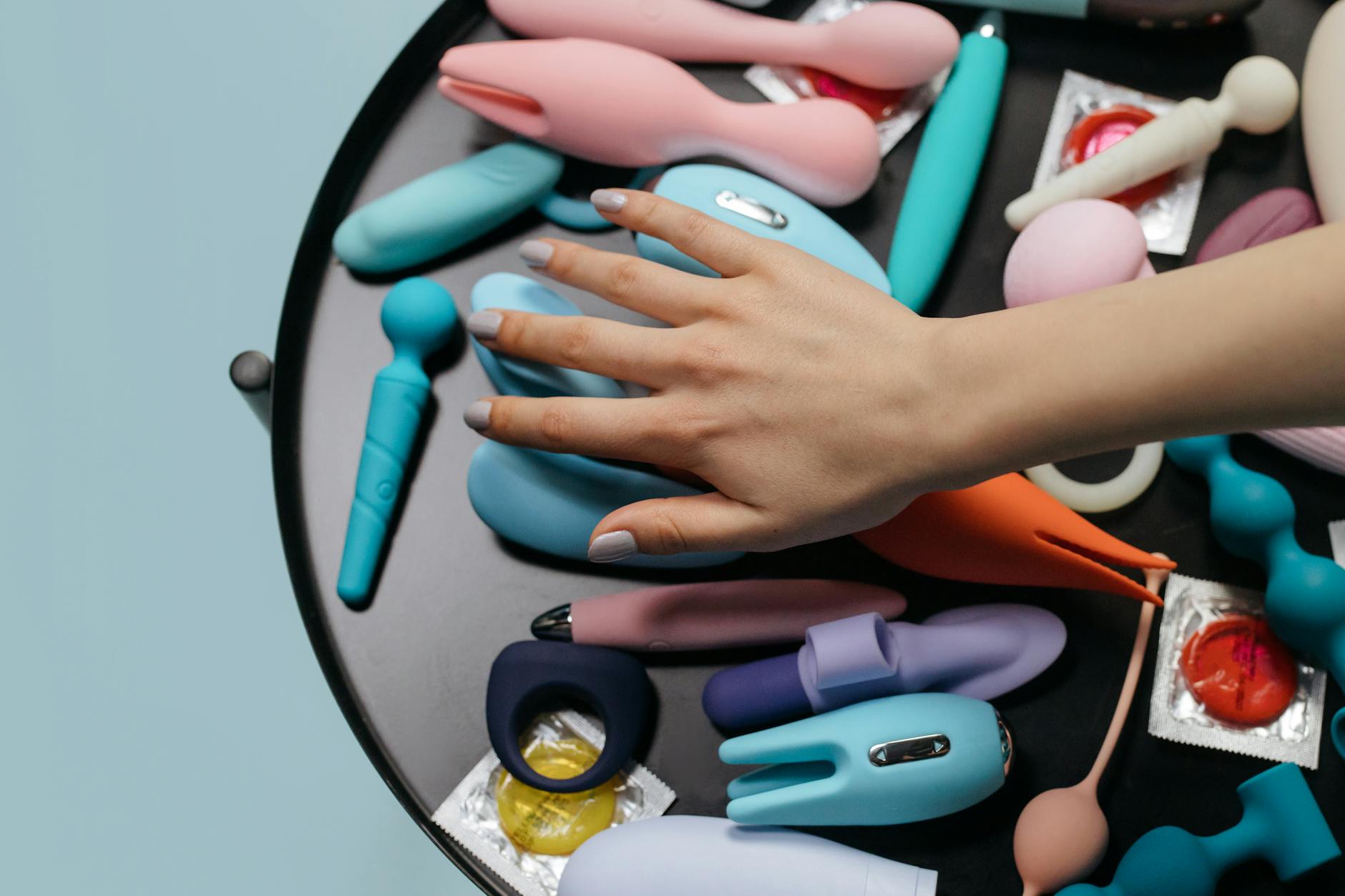
A lemon vibrator (specifically a tool like the Lem, which uses gentle suction rather than harsh vibration) is ideal for this phase because it doesn't demand intensity. You can start at the softest setting and layer in more sensation as you feel ready. There's no "correct" way to use it. There's only what your body is asking for today.
How to ease back in with a clitoral vibrator
Start with the environment. You don't need anything fancy, but you do need safety and privacy. A locked door. A phone on silent. Time where you're not listening for someone else.
Begin with your body clothed. No pressure to be naked or vulnerable before you're ready. Many people find that wearing soft clothes while exploring sensation helps ease the transition from numbness back to feeling. You're not diving in. You're wading.
When you're ready to use the lemon vibrator, start with the lowest suction level. Press it gently against your inner thigh first, not directly on the clitoris. You're rebuilding sensitivity. The pathway from numb to sensation is gradual. Let your body remember what stimulation feels like without flooding your nervous system.
Take breaks. Long ones. Fifteen minutes of gentle stimulation is better than thirty of forcing intensity. If you feel anything other than pleasure (numbness, dissociation, heaviness, sadness), stop. Press pause. There's no timeline here.
What you might notice when desire returns
Your response might be slower than it was before. Arousal might feel quieter, less theatrical. That's normal. Grief changes your nervous system's baseline. Everything feels a little muted until it doesn't.
You might cry during pleasure. Or feel strange waves of sadness mixed in with arousal. Your system is integrating something complex. This isn't failure. It's healing.
You might also be surprised by how intense the response is once it starts. Grief creates a backlog. The return of pleasure can feel almost overwhelming. Again, that's okay. Go slower if needed. Your body will find its pace.
If you want to reconnect with a partner
This conversation is different than the solo work. If you have a partner and you're both ready to rebuild sexual intimacy, the first step is emotional honesty, not physical technique. "I'm starting to feel desire again, and I'm scared" is more useful information than jumping back into sex and hoping it feels familiar.
A lemon clitoral vibrator can be a bridge during this reconnection. It gives you (and your partner) something to focus on other than "are we doing this right?" The device becomes a third point of attention, which reduces performance pressure.
Let your partner know what you need: slower pace, less intensity, more talking, fewer expectations. Many couples find that bringing the vibrator into partnered pleasure feels less emotionally loaded than trying to recreate what sex was before the loss.
The pleasure-shame loop and how to escape it
Some people report guilt even while using a lemon vibrator alone. "I shouldn't be enjoying this while they're gone." That thought is grief talking, not truth.
When the guilt arrives, the response isn't to stop pleasuring yourself. It's to make space for both things at once. "I'm sad they're gone. I'm also allowed to feel good right now." You don't have to choose. You can hold both.
If the guilt persists, especially if it's blocking your ability to experience any pleasure at all, talking to a therapist who specializes in grief can help. Sometimes the blocks aren't about the loss itself but about what we learned about pleasure before the loss happened.
Practical checklist for restarting
Here's what tends to actually work, condensed:
- Solo first, partnered later. No exceptions.
- Start with soft suction on low settings, not direct clitoral pressure.
- Wear clothes at first. Remove layers as comfort grows.
- Set a 15-minute timer and stop when it rings, even if pleasure is building. You're rebuilding slowly.
- Have tissues nearby (for tears, not shame).
- If numbness wins, step away without judgment. Try again next week.
- When you're ready to partner again, tell them explicitly what you need.
When to seek additional support
If months have passed and desire still hasn't returned at all, it might be worth talking to someone. Not because something's wrong with you, but because sometimes grief gets stuck. A grief counselor or therapist can help.
If pleasure returns but feels disconnected from your emotional life (you can orgasm but can't cry or feel anything else), that's also worth exploring. You're not broken. Your nervous system is sometimes over-adapted to survival mode.
And if you're in a relationship and your partner's grief timeline doesn't match yours, that's not a sexual problem. That's a communication and patience problem, which deserves its own conversation.
The thing about returning to your body
Greif doesn't follow a path. It circles back. You'll have moments where pleasure returns fully, and other moments where it disappears again. That's not regression. That's grief being complex and non-linear.
Reconnecting with pleasure after loss isn't about getting back to what you were. It's about discovering what's possible now. You're not the person you were before. You've carried something. Your body knows that. Your pleasure will reflect that change, and that's not a loss. That's integration.
Your desire returning is not a betrayal of the person who died. It's an affirmation that you're still here. That you still deserve good things. That's worth celebrating, even if the celebration feels tender and complicated and wrapped up with grief.
FAQ: Pleasure, grief, and reconnection
Is it normal to feel nothing when using a lemon clitoral vibrator after loss?
Completely normal. Grief numbs everything, including sensation. You're not broken. You're in survival mode. Some people stay numb for months. Others start to feel again within weeks. There's no wrong timeline. If numbness persists beyond a year and is affecting your quality of life, talking to a grief counselor can help. But short-term? This is standard nervous system response.
Can I use a lemon vibrator with my partner if we're both grieving?
Yes, but timing matters. If you're both in acute grief (first few months), most couples aren't ready for partnered sexuality. Wait for at least one person to experience some shift first. Usually the person with more desire starts reengaging, and the other follows when ready. Pushing either partner before they're ready can create resentment. Go slow. Check in frequently.
What if pleasure feels disrespectful to the person who died?
That's grief talking, and it's worth sitting with, but it's not a reason to stay numb. Your pleasure doesn't diminish the person's life or your love for them. You can honor grief and experience joy. These aren't opposed. If the feeling persists strongly, talking to a therapist about what pleasure means to you (and what you learned about it growing up) can help untangle the guilt from the grief.
Should I tell my partner I'm using a lemon vibrator again?
That depends on your relationship. Some couples benefit from knowing. "I'm starting to reconnect with pleasure, and I'm using my vibrator alone" can open a conversation about how you both want to move forward. Other couples need more privacy initially. There's no universal right answer. Do what feels honest and safe in your relationship.
How long does it usually take for desire to return after loss?
It varies wildly. Three months. A year. Two years. There's no standard. Acute grief usually lightens after 6 months, which is when many people notice sensation returning. But some people take longer, and that's not a problem. The variable that seems to matter most is whether you're also rebuilding other parts of your life. People who are also returning to work, social connections, and movement tend to reconnect with pleasure a bit faster than those still in isolation. But again, there's no should here.
Is it okay to grieve while having pleasure at the same time?
That's actually the goal. You're not supposed to wait until grief is "done" to feel good again. Grief doesn't end. It becomes less sharp. You learn to carry it while also living. Pleasure and grief can coexist. Your body can experience both. That's what integration looks like.
What if I have a lemon clitoral vibrator but I'm scared to use it because it feels like moving on too fast?
Moving on from the loss isn't the goal. Pleasure isn't disloyal. Using your vibrator is just reconnecting with yourself. You're not choosing pleasure over grief. You're choosing to feel alive while you're grieving. These aren't mutually exclusive. If the fear persists, write down what "moving on too fast" means to you. Often it's not about the vibrator. It's about feeling like you're abandoning someone by continuing to live. That's a conversation worth having with a therapist or grief group, not a reason to stay numb.
A final thought
Reconnecting with pleasure after loss is an act of resilience. You're telling yourself that you deserve to feel good. That you're still here. That you matter. Your desire is not a statement about the person who died. It's a statement about you still being alive, still capable of joy, still worthy of tenderness. Use the vibrator. Take your time. And know that the pleasure you feel is not a betrayal. It's a return.